Industry report
A market built on the way a car looks
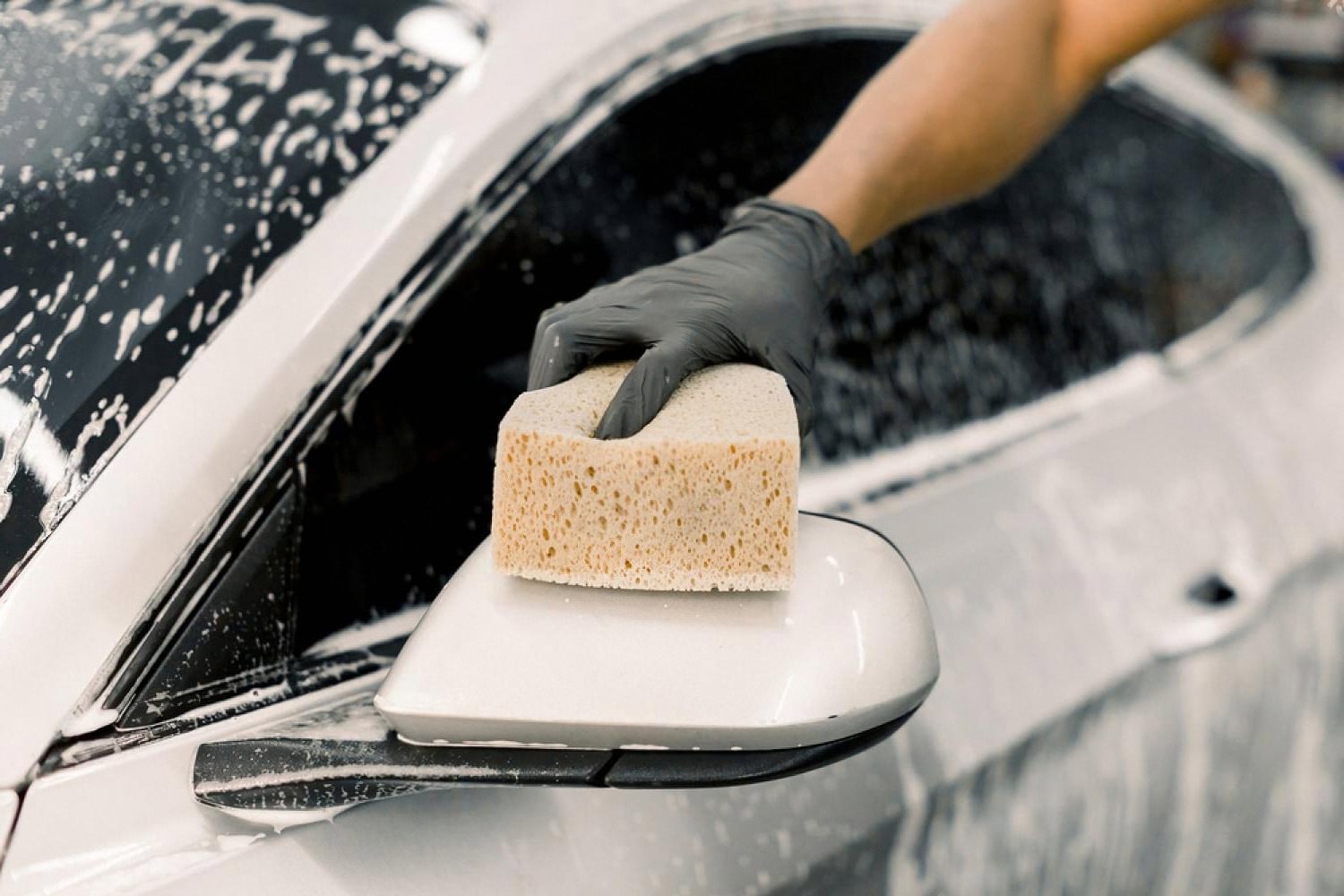
A decade ago, car detailing was a weekend service near the petrol station. Today it is a global industry with venture funding, franchise chains, subscription apps, and a distinct luxury tier that rivals fine watches for margin. In the UAE, where a clean car is closer to a social requirement than a nice-to-have, the growth curve is even steeper.
Why the numbers keep climbing
Three forces sit behind the acceleration. First, cars are lasting longer. The average vehicle on the road is now over 12 years old in mature markets, according to industry data on the global vehicle fleetand older cars need more restorative work to look presentable. Second, luxury sales keep breaking records: Rolls-Royce, Bentley, and Lamborghini all reported historic highs in the last three years, and the GCC is one of their strongest regions. Third, insurance and resale calculations have caught up. A ceramic-coated, PPF-wrapped car simply sells for more, and buyers know it.
The UAE amplifies each of these trends. Dubai and Abu Dhabi have a higher concentration of premium and exotic vehicles per capita than almost anywhere on earth. Sand, sun, and salt air punish paintwork, so protective services are practical spending, not vanity. And a strong tourism economy means rental fleets, chauffeur services, and dealer trade-ins all need consistent cosmetic upkeep.
Consumers, influencers, and the social-media flywheel
Detailing is now a spectator sport. Short videos of foam cannons, clay bars, and mirror-finish reveals rack up billions of views a year. Studios in the UAE lean into this: many operate glass-walled bays so passers-by can watch the work in progress, and half their marketing budget goes into video rather than radio or print. A well-timed reel of a matte black G-Class getting a fresh gloss PPF wrap can bring in weeks of bookings.
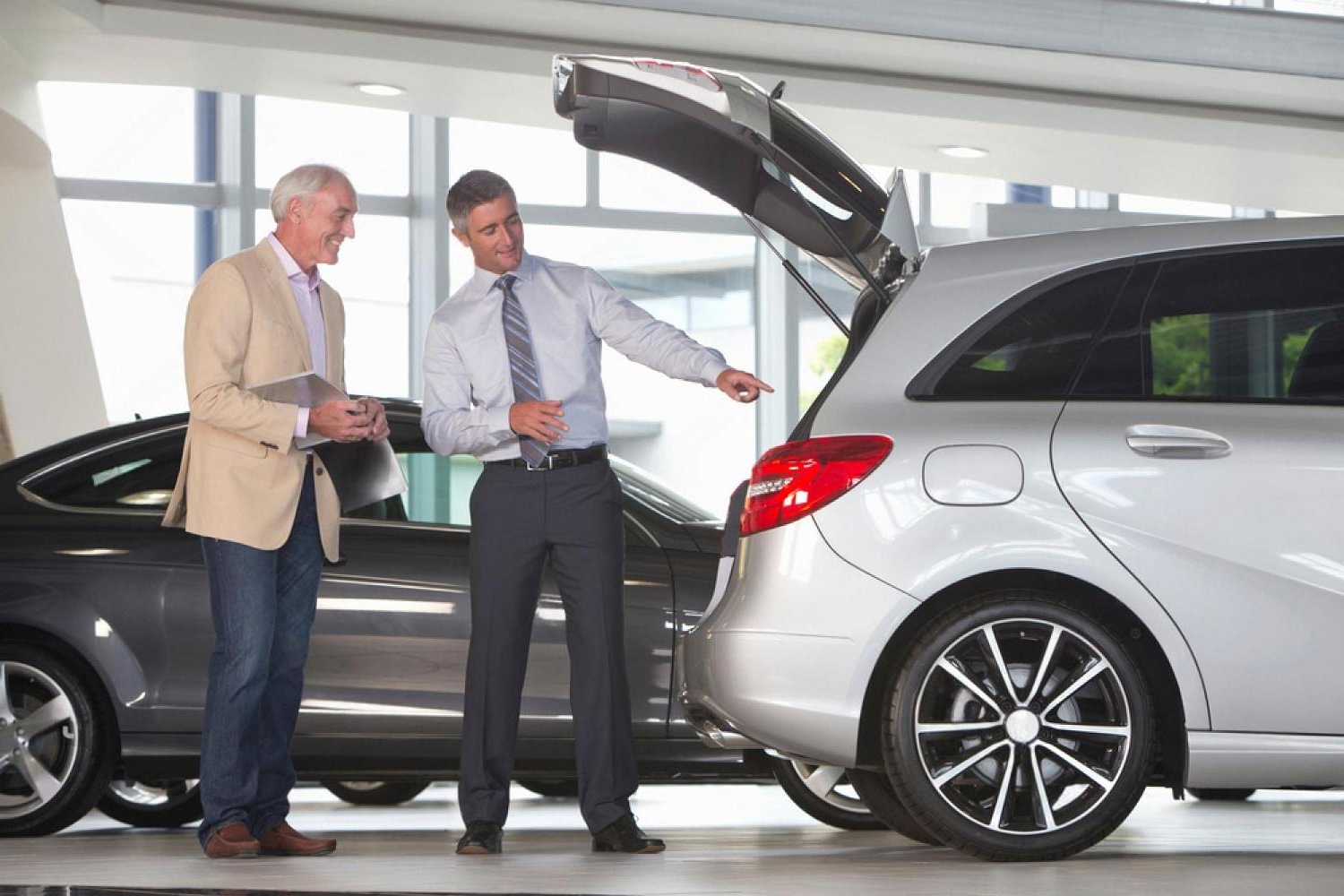
The consumer profile has widened, too. Ten years ago, the average detailing customer was a middle-aged enthusiast. Today it includes twenty-somethings financing their first sports coupe, families protecting a new SUV, and rental operators standardising cabin hygiene. A quality car interior detailing service is now a routine expense for many drivers rather than a once-a-year splurge, and subscription plans that bundle exterior washes with quarterly deep cleans are gaining traction fast.
Where the smart money is going next
Investors have noticed the margins. Ceramic coatings can carry 60% or more gross margin on labour, PPF installs command premium pricing, and recurring subscription revenue smooths out cash flow. Regional private equity has already rolled up several detailing chains in the Gulf, and the next wave of interest is in adjacent tech: AI-based paint condition scanners, robotic polishing arms, and self-healing coatings that repair light scratches with heat, described in general terms in this overview of self-healing materials.
Mobile detailing is the other headline story. Instead of driving to a workshop, customers book a slot and a fully equipped van arrives at their home, office, or valet parking. In dense UAE neighbourhoods where reserving a bay for two hours is a hassle, this format is winning fast. Combine it with a monthly subscription of 3 washes plus one interior deep clean, and providers get predictable revenue while customers hardly think about upkeep.
Practical takeaways for owners and operators
Protect early, save later
PPF and ceramic coatings applied on a new car cost a fraction of a future full respray, and typically lift resale value by 5 to 10%.
Subscription beats one-offs
Monthly plans keep interiors sanitary and paintwork protected without the friction of scheduling every visit yourself.
Local climate is the deciding factor
UAE heat, dust, and salt corrode faster than European conditions. Choose products and studios rated for Gulf climates specifically.
The verdict
Automotive cosmetics has moved from a niche craft to a legitimate growth industry with global scale, defensible margins, and clear tailwinds. For UAE drivers, that means better services and more choice. For operators and investors, the window is open, but the winners will be those who combine craft-level quality with software, subscriptions, and honest pricing.
Frequently asked questions
How large is the global automotive cosmetics industry?
When you combine detailing, paint protection film, ceramic coatings, and interior care, the sector is worth roughly $60 to $70 billion globally today. Most analyst forecasts point to it crossing $95 billion by 2035, with double-digit annual growth in premium segments like PPF and ceramic.
Why is the UAE market growing faster than most regions?
The UAE has an unusually high share of luxury and exotic vehicles, a harsh climate that makes protection genuinely useful, and a strong car culture where appearance signals status. On top of that, tourism, chauffeur fleets, and rental companies all require frequent cosmetic upkeep, which pushes commercial demand higher than in comparable countries.
Is ceramic coating actually worth the money?
For most owners in the Gulf, yes. A good ceramic coating protects clear coat from UV damage, resists chemical staining from bird droppings and tree sap, and makes routine washing far easier. It does not make the paint scratch-proof, so pairing it with PPF on high-impact panels is the more complete solution.
What is driving the shift to mobile and subscription detailing?
Convenience and predictability. Customers want to skip the drive, the wait, and the surprise pricing. Providers want recurring revenue that is easier to forecast and finance. Apps that let you book a slot in under a minute have made the format mainstream in Dubai and Abu Dhabi over the last three years.
Are automotive cosmetics a good investment opportunity?
The unit economics are attractive, especially in ceramic coatings and PPF, where labour margins can exceed 60%. Consolidation is already underway in the Gulf, with several small studios being absorbed into franchise groups. The upside sits with operators who blend technical skill, strong branding, and software-driven customer retention.
What technologies will shape the next decade of the industry?
Expect self-healing coatings that repair light swirls with heat, AI paint scanners that measure damage before a job starts, robotic polishing arms for consistent results, and smart interior treatments with antimicrobial properties. Electric vehicles are also driving demand for specialised low-abrasion products that suit their softer factory paint.
How often should a car in the UAE be professionally detailed?
A light exterior wash every one to two weeks and a full interior detail every three to four months is a sensible baseline for daily-driven cars in the Emirates. Vehicles that stay outdoors or cover long highway distances benefit from more frequent visits and stronger paint protection layers.

Basketball fan, mother of 2, fender owner, vintage furniture lover and HTML & CSS lover. Performing at the fulcrum of modernism and programing to give life to your brand. I sometimes make random things with friends.