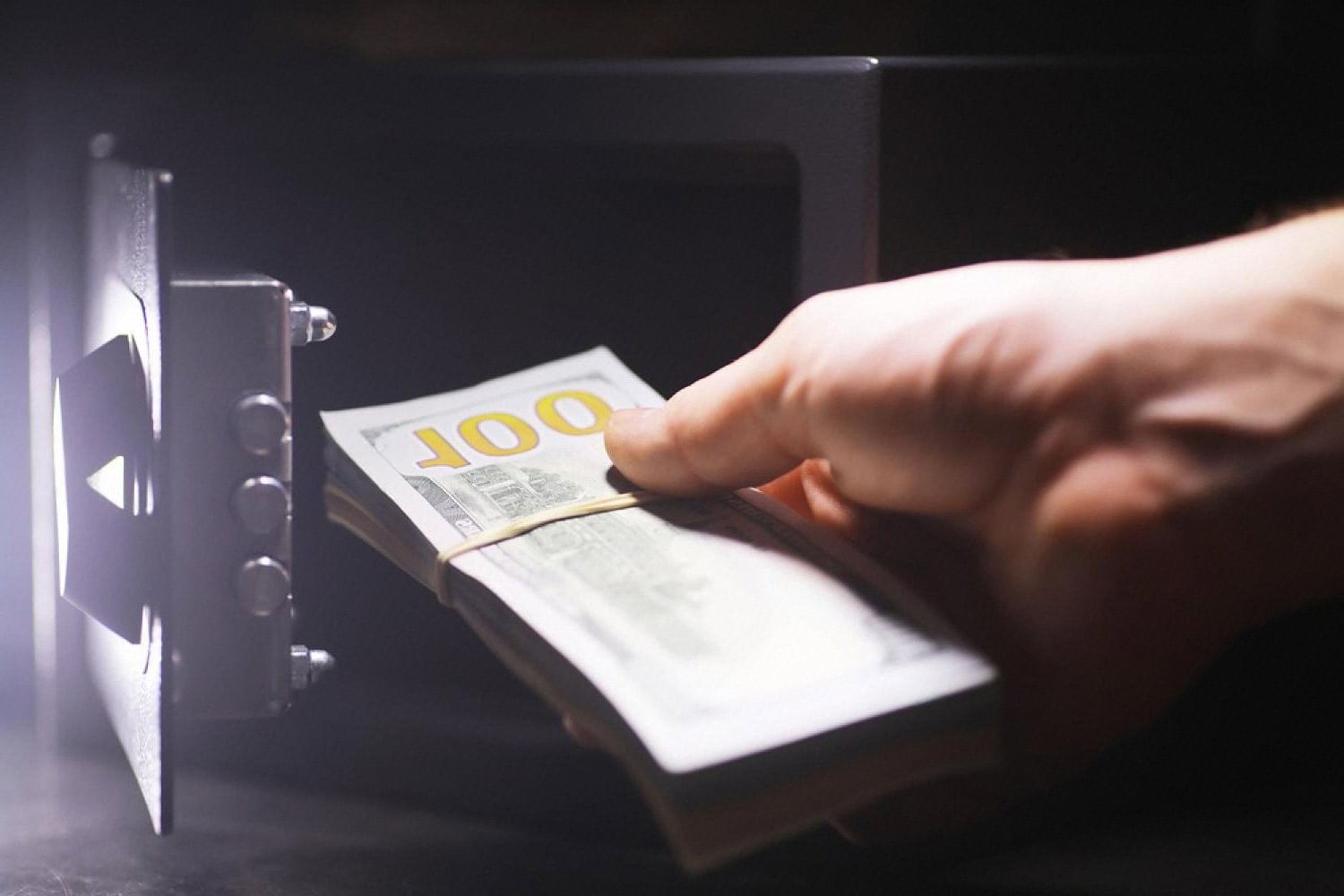
A safe is one of those purchases where the price tag can swing from a few hundred dirhams to well over fifty thousand, and from the outside two units can look almost identical. This guide walks UAE homeowners through the real, measurable differences between a standard household safe and a genuine high-end model, so you can decide whether the premium is buying you engineering or just paint. By the end you will know what to check on the spec sheet, how to match a safe to the valuables you actually keep at home, and which certifications matter in the Gulf climate.
Why it matters
Price is not just cosmetics
People often assume a luxury safe is expensive because of the lacquered finish, the leather-lined interior, or the branded watch winders. Those touches exist, but they are a small share of the cost. The bulk of the price goes into thicker steel, composite fire barriers, certified locking mechanisms, and independent testing by bodies such as CEN (European Committee for Standardization) or UL.
A standard safe sold at a hypermarket in Dubai is typically a light-gauge steel box with a basic key or electronic lock, adequate for hiding a passport from a curious visitor. A certified high-end safe is a different category of product, engineered to resist forced entry for a rated number of minutes and to protect paper and digital media through a house fire.
Step-by-step: how to evaluate a luxury home safe
Check the burglary grade
Standard safes rarely carry a European burglary grade. Certified luxury home safes are tested and stamped with grades from S1 up to Grade VI under EN 1143-1. Each grade corresponds to a cash rating (for example Grade III protects roughly AED 350,000 in cash equivalent), which insurers in the UAE use to set coverage limits.
Inspect the body and door
Lift the door if you can. Standard units use 2 to 3 mm sheet steel with a hollow body. High-end safes use multi-layer construction: hardened steel plate, anti-drill composite, and often a re-locker plate that drops extra bolts if the primary lock is attacked. Door thickness on premium models commonly runs 60 to 120 mm.
Read the fire rating
Fire protection is measured in minutes at a given internal temperature. Look for 60 or 120 minutes at under 177°C for paper, or under 52°C and 80% humidity for digital media. A cheap safe with a “fireproof” sticker but no lab reference will typically fail within 15 minutes.
Test the locking system
Standard safes ship with a single electronic keypad and a mechanical override key. Luxury models layer two independent locks (biometric plus EMP-shielded electronic, or mechanical dial plus digital), time delays, dual-user codes, and audit trails that log every opening. In a family compound in Abu Dhabi where staff, contractors and relatives all move through the house, that audit trail is not a gimmick.
Match interior to the contents
A high-end safe is fitted for what you actually store. Watch owners get powered winders with individual programmes. Jewellery drawers are velvet-lined with lift-out trays. Document owners get suspension files. A standard safe gives you one shelf and a floor, and everything you put inside ends up piled together.
Confirm installation and anchoring
Any safe under about 1,000 kg needs to be bolted to a concrete floor or a structural wall. Premium suppliers in the UAE handle delivery through villa lifts or crane placement, and issue a certificate of installation that some insurers require before they underwrite high-value contents.
Prerequisites before you buy
- Make an inventory of what you plan to store: cash, gold, watches, passports, hard drives, personal firearms if licensed.
- Estimate the total insured value, then pick a Euro Grade that covers it with room to grow.
- Confirm the room can carry the weight. A Grade IV safe often exceeds 500 kg, which is fine on ground floor concrete but questionable on upper floors of older villas.
- Measure lift, corridor and door widths on the delivery path.
- Ask your insurer in writing which certifications they accept for a home policy in the UAE.
- Plan power and connectivity if you want biometric locks, remote alerts or safe-in-safe compartments.
Storage capacity
Bigger inside, not just outside
Standard safes waste internal volume. The walls are thick relative to the small box they protect, and the shelving is fixed. A 60-litre budget safe often gives you 45 usable litres once the door mechanism and shelf are accounted for.
Luxury home safes are designed around modular interiors. You can add or remove watch winders, jewellery drawers, LED lighting strips, humidity control, and biometric inner compartments. The same external footprint delivers noticeably more organised, accessible storage, which matters when a single Rolex reference or a set of Emirati wedding jewellery is worth more than the safe itself.
Types of high-end safes and where each one fits
- Freestanding luxury safes. Placed in a dressing room or walk-in closet. Best all-round choice for villas in Dubai and Abu Dhabi.
- Built-in wall safes. Recessed into a structural wall, flush with the finish. Discreet but limited in depth, so better for documents and jewellery than for bulky items.
- Floor safes. Set into the concrete slab, ideal for cash and gold storage in family businesses run from the home.
- Watch winder safes. Purpose-built with programmable rotors, humidity control and soft interior lighting for automatic watch collections.
- Vault rooms. A full walk-in safe room, common in larger UAE compounds, engineered as a certified vault with independent HVAC and biometric entry.
Standard vs luxury at a glance
- 2 to 4 mm single-wall steel
- One electronic keypad
- No independent burglary grade
- Fire claim without lab reference
- Fixed shelf, single compartment
- Self-install, four anchor bolts
- Multi-layer composite door, 60 to 120 mm
- Dual locks, time delay, audit log
- EN 1143-1 grade with cash rating
- Certified fire and media protection
- Modular interior, winders, drawers
- Professional delivery and anchoring
Troubleshooting and common questions before purchase
The most frequent mistake UAE buyers make is choosing a safe by external size rather than by grade. A large uncertified cabinet gives the illusion of security while offering less real resistance than a small Grade II box half its size. If your insurer will not name it in the policy schedule, the safe is not doing the job you paid it to do.
The second issue is climate. Coastal humidity in Dubai and Sharjah is punishing on electronics and steel interiors. Premium safes use sealed gaskets and rechargeable dehumidifiers; budget units do not, and owners often find watches with foxed dials or documents with mildew after a summer of use. If the safe sits in a garage or an unconditioned storeroom, this alone justifies stepping up a tier.
The third question is service. A luxury safe is a 20-year purchase. Ask whether the supplier holds spare boards, biometric modules and lock parts locally, and whether an engineer can attend within 24 hours if you get locked out on a Friday evening.
Frequently asked questions
Are luxury home safes really more secure, or am I paying for the finish?
The finish is a small part of the cost. Certified luxury safes use thicker composite doors, hardened re-locker plates, and independently tested locks that resist drilling, torching and manipulation for a rated number of minutes. A standard safe has none of that testing behind it, so two units that look similar can behave very differently under attack.
What burglary grade should a UAE homeowner choose?
It depends on what you store. For passports, spare cash and a few pieces of jewellery, Grade I or II is usually enough. For serious watch or gold collections, Grade III or IV is more appropriate. High-net-worth households with contents above roughly AED 1 million typically look at Grade V or a certified vault room.
Always confirm with your insurer, since the grade drives the maximum cover they will underwrite.
Is fire protection different from burglary protection?
Yes, they are tested separately. A safe can be highly burglary rated but only lightly fire rated, and vice versa. Look for both stamps on the certification plate: an EN 1143-1 grade for burglary and an EN 1047 or UL 72 rating for fire, with a stated duration in minutes.
Do I need a watch winder safe if I only own two or three automatic watches?
Not necessarily. Winders are useful when you have watches with complications you would rather not reset frequently, or a rotating collection. For two or three pieces you wear regularly, a luxury safe with a padded jewellery drawer is usually enough. Add winders later as the collection grows.
Where should the safe be installed in a UAE villa?
The most common location is the master dressing room or a discreet corner of the walk-in closet, on the ground floor if the safe is heavy. Avoid external walls that face direct sun, and avoid unconditioned garages where humidity swings damage electronics.
Whatever the room, the safe must be anchored to concrete. Freestanding placement without anchoring cancels most insurance clauses.
How long does a good luxury safe last?
The steel body will outlast the house. The electronics, biometric readers and internal batteries typically need service every 5 to 10 years. Reputable UAE suppliers hold spare parts locally and can refurbish the lock and interior without replacing the whole unit, so a well-chosen safe is genuinely a 20 to 30 year purchase.

Basketball fan, mother of 2, fender owner, vintage furniture lover and HTML & CSS lover. Performing at the fulcrum of modernism and programing to give life to your brand. I sometimes make random things with friends.